



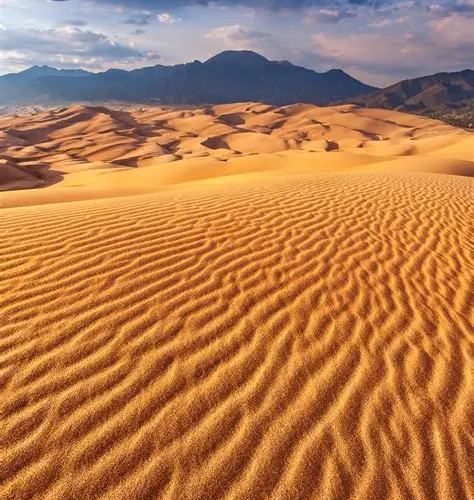
Morocco is a country of contrasts, offering vibrant cities, majestic mountains, golden deserts, and stunning coastlines. Whether you’re planning a cultural city tour, a desert adventure, or a beach escape, knowing the best time to visit Morocco can make a huge difference in your experience. Weather, tourist crowds, and local events all influence the ideal travel season.
This guide will help American travelers plan the perfect trip, highlighting regional climates, seasonal activities, and travel tips to ensure an unforgettable Moroccan adventure.
Why Choosing the Best Time to Visit Morocco Matters
Traveling at the right time allows you to:
- Enjoy comfortable weather throughout your trip
- Avoid extreme temperatures in the desert and mountains
- Participate in local festivals and cultural events
- Secure better deals on accommodations and tours
- Maximize your sightseeing experience
Understanding the best time to visit Morocco ensures you enjoy every aspect of this diverse country.
1. Seasonal Overview of Morocco
Morocco’s climate varies greatly depending on region and season:
- Spring (March–May): Mild temperatures, blooming landscapes, ideal for sightseeing
- Summer (June–August): Hot in cities and deserts, cooler along the coast and mountains
- Autumn (September–November): Comfortable temperatures, fewer tourists, great for outdoor adventures
- Winter (December–February): Mild along the coast, cold in mountains and desert nights, good for cultural tours
Each season offers unique advantages, so your itinerary should align with the experiences you want.
2. Best Time to Visit Morocco by Region
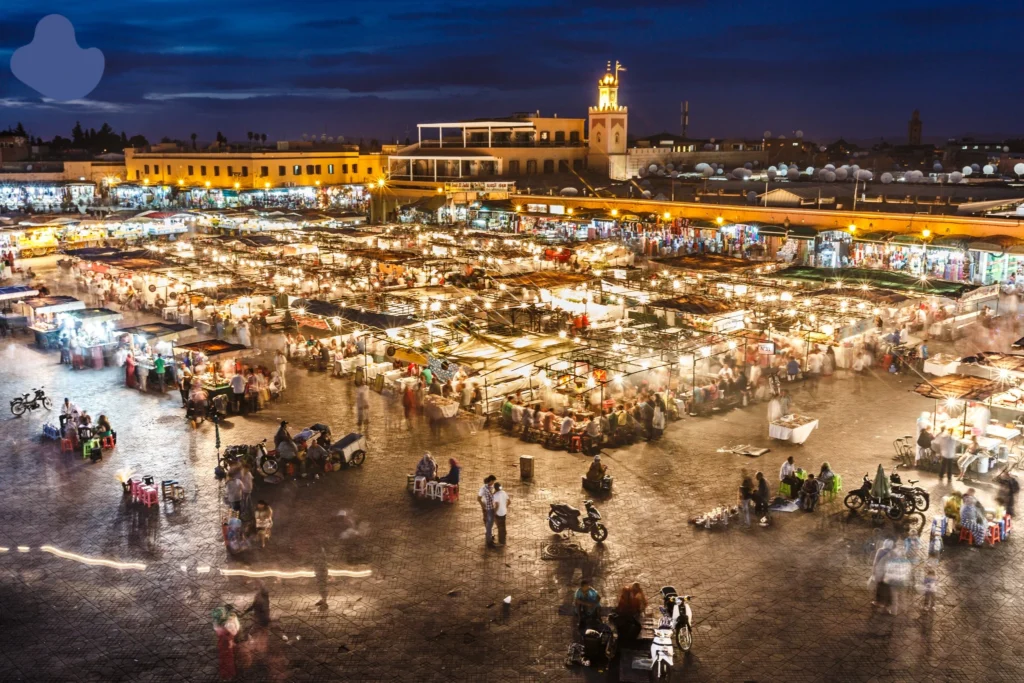
Marrakech and Central Morocco
- Best Season: Spring and autumn
- Why: Avoid the scorching summer heat, enjoy mild daytime temperatures and cooler nights
- Tips: Plan visits to markets, palaces, and gardens in the mornings or late afternoons
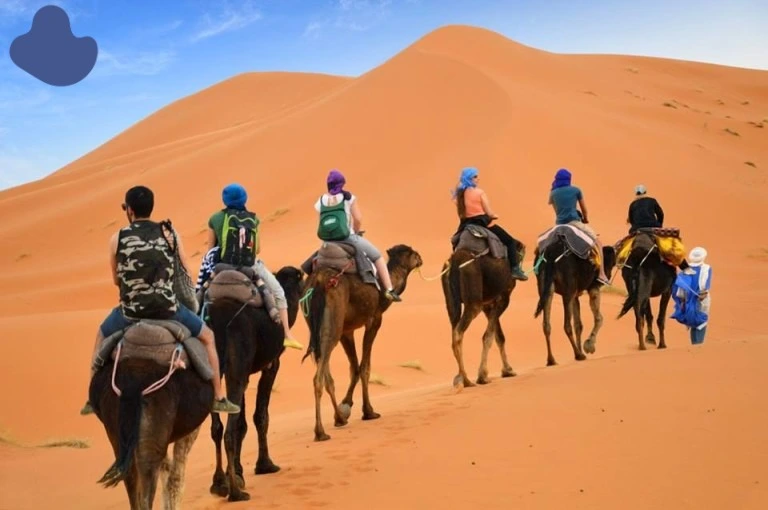
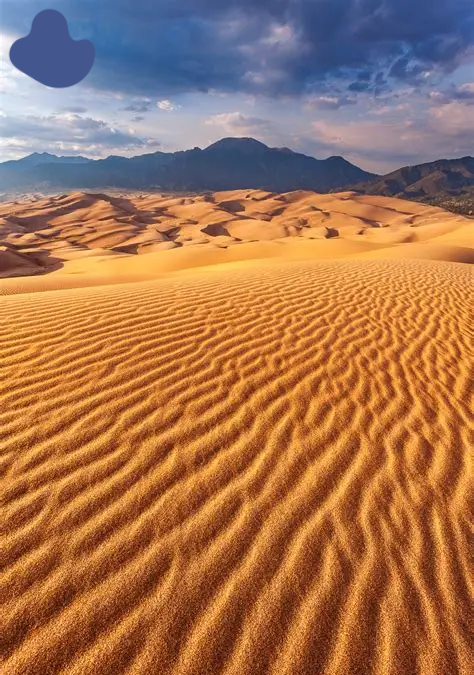
Sahara Desert
- Best Season: Spring (March–May) and autumn (September–November)
- Why: Desert temperatures are extreme in summer; winter nights can be very cold
- Activities: Camel treks, luxury desert camps, stargazing under clear skies
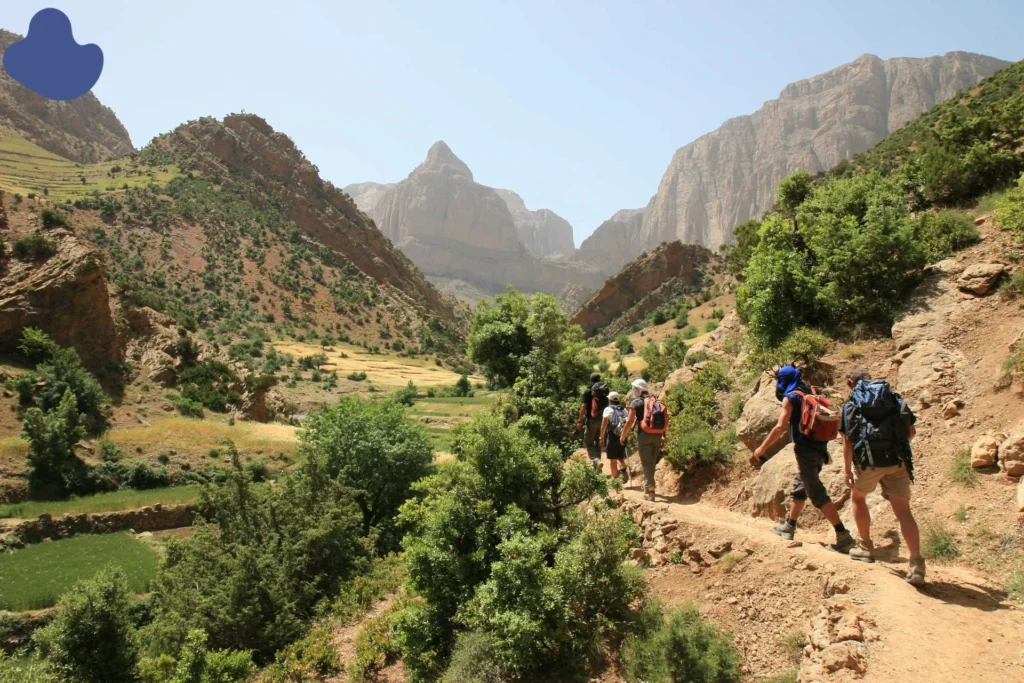
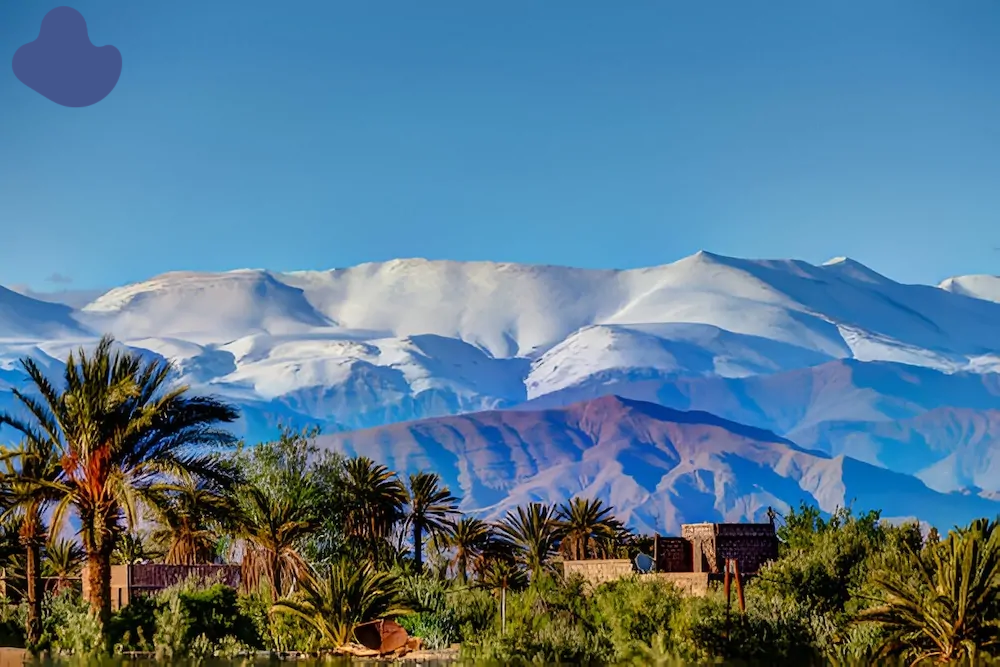
Atlas Mountains
- Best Season: Spring, summer, and autumn
- Why: Winter can bring snow, making some trekking paths difficult
- Activities: Hiking, Berber village visits, scenic photography
Coastal Cities (Agadir, Essaouira)
- Best Season: Summer and spring
- Why: Cooler than inland cities, perfect for beach relaxation and water sports
- Activities: Surfing, swimming, coastal walks
3. Moroccan Festivals and Events by Season
Timing your trip around festivals can make your experience unforgettable:
- Marrakech Popular Arts Festival (June–July): Music, theater, and traditional performances
- Fez Festival of World Sacred Music (June): Spiritual and cultural performances from around the globe
- Timitar Music Festival in Agadir (July): Moroccan and international music
- Rose Festival in El Kelaa M’Gouna (May): Celebrate the blooming rose season in the Dades Valley
These events add cultural richness to your Moroccan adventure, making them a highlight of your visit.
4. Weather Considerations for Travelers
Weather plays a crucial role in planning your Moroccan trip:
- Spring: Pleasant temperatures, fewer tourists, ideal for city tours and trekking
- Summer: Hot, especially in Marrakech and Fez; plan desert trips early morning or late evening
- Autumn: Comfortable weather for almost all regions, perfect for outdoor activities
- Winter: Mild in coastal cities, cold in the mountains and desert nights, ideal for cultural tours without crowds
Check regional forecasts before your trip for better planning.
5. Travel Tips for Visiting Morocco
To make the most of your visit during any season:
- Book accommodations in advance during peak seasons (spring and autumn).
- Pack appropriate clothing: light layers for spring/summer, warm layers for desert nights and mountains.
- Stay hydrated: Especially important during summer and desert excursions.
- Plan indoor activities during midday heat in summer.
- Respect local customs: Dress modestly, particularly in rural areas and religious sites.
7. Suggested Itineraries by Season
Spring Itinerary
- Marrakech: 3 days exploring souks and palaces
- Atlas Mountains: 2 days trekking in the Ourika Valley
- Sahara Desert: 2 days camel trek and luxury desert camp
- Essaouira: 2 days relaxing on the coast
Autumn Itinerary
- Fes: 3 days in the medina and cultural sites
- Marrakech: 2 days exploring gardens and local markets
- Atlas Mountains: 2 days hiking and visiting Berber villages
- Agadir: 2 days of beach relaxation
Winter Itinerary
- Coastal cities: 3 days along Agadir or Essaouira beaches
- Marrakech and Fes: 4 days cultural tours
- Atlas Mountains: Optional 2-day trek in lower valleys (avoid snow-heavy areas)
Planning by season ensures comfortable temperatures and optimal sightseeing conditions.
8. Special Considerations for American Travelers
- Visa Requirements: U.S. citizens don’t need a visa for stays up to 90 days.
- Currency: Moroccan Dirham (MAD) is required; ATMs and exchange offices are widely available.
- Health & Safety: Carry travel insurance, bottled water, and first aid essentials.
- Transportation: Trains, buses, and taxis are reliable; consider guided tours for remote areas.
- Cultural Etiquette: Modest attire, respectful behavior in religious and rural areas.
9. Packing Tips Based on Season
Spring & Autumn:
- Light layers, walking shoes, scarves, and sunglasses
- Light jacket for cooler evenings
Summer:
- Breathable fabrics, sun protection, hat, comfortable sandals
- Water bottle for hydration
Winter:
- Warm layers for Atlas Mountains and desert nights
- Raincoat or light jacket for coastal cities
A seasonal Morocco travel packing list ensures comfort and preparedness.
10. Combining Regions for Optimal Travel
For the best Moroccan experience:
- City + Desert Combo: Marrakech + Sahara Desert for culture and adventure
- Mountain + Beach Combo: Atlas Mountains + Essaouira/Agadir for nature and relaxation
- Full Cultural Immersion: Fes + Marrakech + Chefchaouen for history, markets, and scenic beauty
Planning region combinations based on the best time to visit Morocco maximizes comfort and enjoyment.
Plan Your Moroccan Adventure
Understanding the best time to visit Morocco ensures a smooth, comfortable, and unforgettable journey. From desert dunes to coastal escapes and mountain retreats, planning your trip by season will make your experience memorable.
For expert planning and personalized itineraries, contact us here
Conclusion: Travel Smart and Enjoy Morocco
Choosing the best time to visit Morocco is the first step toward a successful trip. American travelers can enjoy vibrant cities, serene deserts, breathtaking mountains, and stunning beaches by planning according to seasonal conditions.
Spring and autumn are ideal for comfortable temperatures and sightseeing, while winter is perfect for cultural exploration without the crowds. Summer is suited for coastal retreats and high-altitude adventures. By combining regional experiences and following these seasonal tips, your Moroccan journey will be both unforgettable and stress-free.
Plan ahead, pack smart, respect local customs, and immerse yourself in Morocco’s beauty, culture, and adventure.