


Many travelers imagine the Sahara Desert as endlessly hot, but the reality can be surprising the Sahara gets very cold at night, especially after sunset. If you are planning a desert tour in Morocco, particularly to Merzouga or the dunes of Erg Chebbi, understanding nighttime temperatures is essential for comfort and safety.
This guide explains how cold the Sahara Desert gets at night, why temperatures drop so dramatically, and how to prepare properly for your desert experience.
Why Does the Sahara Get Cold at Night?
The Sahara’s cold nights are mainly caused by its extremely dry climate. During the day, the desert absorbs a large amount of heat from the sun. After sunset, however, the lack of humidity and cloud cover means that this heat escapes rapidly into the atmosphere. With little vegetation or moisture to retain warmth, temperatures can fall sharply within a short period of time.
What to Wear at Night in the Sahara?
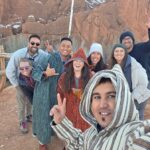
Proper clothing is essential for staying warm in the Sahara after dark. Layering is the best approach, as it allows you to adjust your comfort level throughout the evening. A warm jacket or fleece, long-sleeved tops, and comfortable pants are recommended. During winter months, adding a thermal layer can significantly improve comfort. Closed shoes and a light scarf also help protect against cold air and wind.
Are Desert Camps Warm Enough at Night?
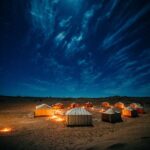
Most desert camps in Morocco are designed to handle cold nights. Tents are usually equipped with thick blankets and quality bedding, while many camps also provide extra layers upon request. Campfires are a common feature, offering warmth and a cozy atmosphere where guests can relax, socialize, and enjoy traditional music under the stars.
Best Time to Visit the Sahara for Comfortable Nights:
Spring and autumn are generally considered the best seasons to visit the Sahara, offering warm days and cool but manageable nights. Summer brings extremely hot days but milder evenings, while winter provides pleasant daytime weather with cold nights. Choosing the right season depends on your tolerance for temperature changes and personal comfort preferences.
Is It Safe to Sleep in the Sahara During Cold Nights?
Yes it is safe to sleep in the Sahara Desert during cold nights, as long as you’re staying in an organized desert camp and are properly prepared. In popular Moroccan desert areas like Merzouga in the Sahara Desert, overnight stays are well-managed, comfortable, and designed for changing temperatures.
Is Sleeping in a Desert Camp Cold Without Heating?
Standard desert camps are not heated, but they provide thick blankets and enclosed tents to keep guests warm. Most travelers sleep comfortably with proper clothing, though luxury camps offer better insulation and optional heaters for extra comfort.
Can Children Sleep Safely in the Sahara During Cold Nights?
Yes, children can safely sleep in the Sahara when staying in an organized desert camp. Families should choose camps that provide extra blankets and consider luxury camps during colder months to ensure warmth and comfort.
Is It Warmer to Sleep in a Tent or Under the Stars?
Sleeping inside a tent is warmer and safer than sleeping outdoors. Tents block wind and help retain heat, while sleeping under the stars exposes you to cold air and temperature drops
How Far Is the Sahara Desert from Marrakech?
Yes. Merzouga is family-friendly, and many camps welcome children. Camel rides are short and guided, and families often choose luxury camps for extra comfort.
Final Thought:
The Sahara Desert can be surprisingly cold at night, but this is a natural part of its unique climate. With the right clothing and a well-organized desert camp, nighttime temperatures are easy to manage. Being prepared allows travelers to fully enjoy the beauty, tranquility, and unforgettable atmosphere of the Sahara without discomfort.